
Reviewed · MAYAN RUINS & VILLAGES
Authentic Mayan Cooking Class in Cozumel
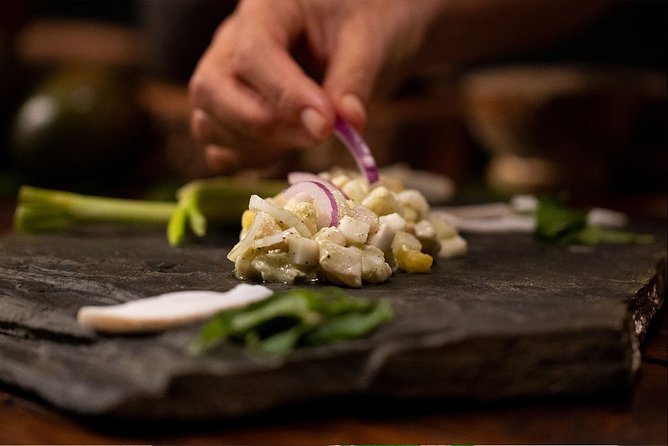
Mayan cooking in Cozumel feels like time travel. This class at Ix Kool mixes ancient Mayan ingredients with a short cultural program, then turns it into a full meal you can actually remake later at home. It’s also run in English, with multiple starting times so you can fit it around your port day.
Two things I especially like: you get real hands-on moments like making corn tortillas and preparing snack spreads, not just watching from a chair. And the food lineup has bold regional anchors, including cochinita pibil (marinated with sour orange and red spices using axiote) and the creamy crunch of sikilp’aak.
One drawback to plan around: it can be hard to hear or see some of the on-screen video while the space gets busy, and not every step is equal hands-on for everyone. If you’re the type who wants knife work the whole time, you might want to set expectations.
In This Review
- Key Highlights You’ll Care About
- Finding Ix Kool Near Cozumel’s Cruise Port
- Before the Stove: Ceremony, Culture, and a Food-Story You Can Taste
- The Hands-On Part: Tortillas, Guacamole, and Grinding Spices
- What You Actually Eat: A Mayan Menu You Can Name
- Drinks, Rhythm, and the Instructor Team (Paco and Juan)
- Private Class vs. Shared Energy: What Changes?
- Price and Value: Is $60.99 Worth It?
- Practical Tips That Improve Your Odds
- Who Should Book This Mayan Cooking Class?
- Should You Book This Mayan Cooking Class in Cozumel?
- FAQ
- FAQ
- How long is the Authentic Mayan Cooking Class in Cozumel?
- What does the class cost?
- Is the class offered in English?
- Is this a private class?
- What dishes are included in the menu?
- Where do I meet the tour?
- Are service animals allowed?
- Is there free cancellation?
Key Highlights You’ll Care About
- Mayan ceremony and performance kick off the experience before you eat
- Hands-on tortilla and sauce prep (you’ll mix, grind, and assemble more than you might expect)
- Axiote flavors explained through the foods you prepare and taste
- Full Mayan-style meal with multiple courses, not a tiny tasting
- Private class option so your group gets more personal time with the instructor
- Sound and sight can be tricky in the room, especially for video content
Finding Ix Kool Near Cozumel’s Cruise Port
The meeting point is Av. Rafael E. Melgar 1, El Parque, 77675 Cozumel, Q.R., Mexico, and the activity ends back there. In real life, the biggest issue is not the address—it’s spotting the place quickly once you’re near the port area.
Ix Kool sits in a shopping center setting, which is convenient if you’re short on time and walking from the south cruise dock/marina. Several people noted it’s close enough that you can keep the day moving without a long taxi hunt, but they also recommend you double-check the exact shopping-center area so you don’t end up searching the wrong side of the port.
If you’re coming by taxi, expect it to be a quick ride rather than a long transfer. And if you’re on a cruise day, give yourself breathing room before start time. One of the recurring themes is that class timing can get stretched when ships are late to unload.
More of Cozumel Maya, from San Gervasio to El Cedral
- Jade Caverns and Mayan Village Cozumel ATV TOUR
★ 5.0 · 507 reviews - Island Buggy Tour & Mayan Experience
★ 5.0 · 305 reviews - Cozumel Mayan Ruins and Beach Break
★ 5.0 · 233 reviews - Cozumel Buggy Tour: Snorkeling , Otoch Mayan Experience & Lunch
★ 4.0 · 182 reviews - Half-Day Island Tour with Mayan Experience & Beach Break
★ 4.5 · 101 reviews
Before the Stove: Ceremony, Culture, and a Food-Story You Can Taste
The experience doesn’t begin with a recipe card. It starts with a Mayan ceremony and performance, then you get a cultural and food-history connection that frames what you’re about to cook.
You’ll also watch video content during the class. This part is helpful because it explains how Mayan food connects to ingredients, tools, and older traditions, and it also touches on how Spanish influence changed things over time. Just know the room can be loud, and some seats make the screen harder to read, so if visuals matter to you, pick a spot where you can clearly see what’s playing.
One of my favorite aspects here is that the class treats food like a language. Instead of random dishes, you get links between ingredients and the way flavors and textures build—from corn-based basics to spice mixes and slow-cooked pork preparations.
The Hands-On Part: Tortillas, Guacamole, and Grinding Spices
This is the part most people remember after the meal. You’ll do enough work that it feels earned, from preparing ingredients to making items that end up on the table.
Corn tortillas are a big focus. You’ll help with the process, and you may even hear the instructor talk about traditional tortilla methods. In practice, some classes are more hands-on than others depending on crowd size and how busy the room gets. Still, the tortilla station is a clear win if you want to leave with a key skill you can repeat later.
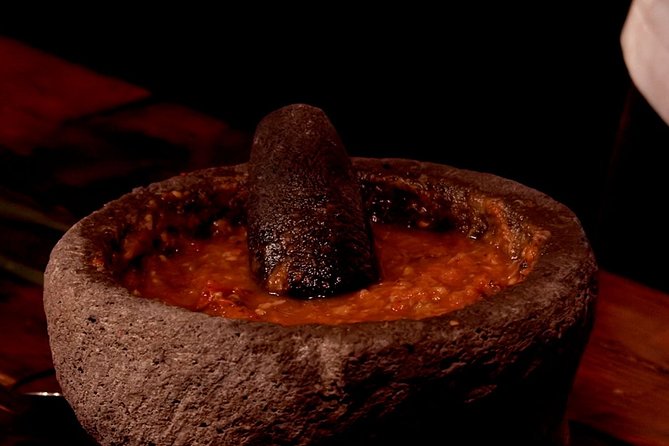
Guacamole shows up too. You’ll likely participate in mixing and assembly, and the teaching staff will guide you through flavor choices. You’ll also get salsa—often described as a roasted or smoked-style preparation—plus spreads that bring in Mayan ingredients like pumpkin seeds.
Speaking of seeds: a standout moment is grinding spices and working with ingredients like pumpkin seeds. That activity teaches you why the flavors taste the way they do. You’re not just eating a dip—you’re understanding texture and aroma, which is exactly what helps when you try to recreate it at home.
If your goal is to chop, sauté, and manage heat the whole time, you should know the class can be more of a guided assembly than a full-blown cooking competition. Some steps are clearly handled by the kitchen team so everyone gets to eat (and enjoy the show), which can be a plus for people who just want to learn the essentials without stress.
What You Actually Eat: A Mayan Menu You Can Name
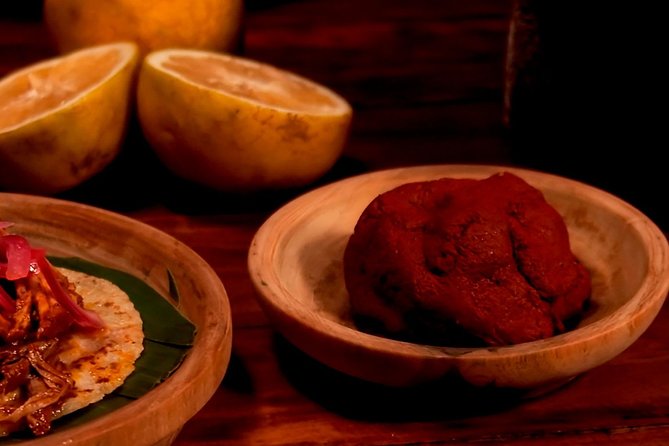
The sample menu gives you a strong sense of what you’ll taste, and the overall flow seems designed to keep you moving from savory to rich to sweet.
You can expect these core dishes across the class experience:
- Beans with pork: A duo that anchors the flavors of Mexico’s southeast, served as one of the main savory plates.
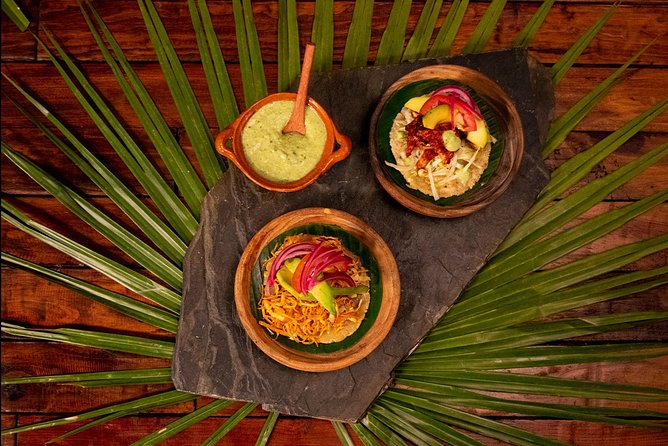
- Cochinita pibil: Pork marinated in sour orange juice with red spices made with axiote seeds. This is one of the dishes that carries real personality—tangy, spiced, and built for slow depth.
- Sikilp’aak’: A Mayan snack that’s widely eaten in this region and isn’t common elsewhere in Mexico. It’s a nice reminder that not everything in the Mayan world shows up in the usual tourist menu.
- Cornbread (corn-based, without flour): A dessert that keeps things rooted in corn, which is the backbone ingredient of much of the local cuisine.
Multiple people also mention additional items beyond the sample menu flavor set, including things like soups and other snack spreads. That lines up with the way the class is built: you’re not leaving hungry, and you’re tasting a range of textures so you can connect ingredients to the final dish.
If you like food that has a story, this is where the class earns its time. The instructor’s focus on why certain ingredients are used helps you notice differences in sourness, spice warmth, and the way corn and seeds create body in dishes.
Other island kitchens that will teach you the recipe
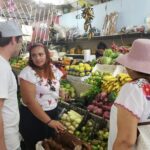
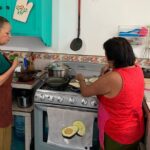
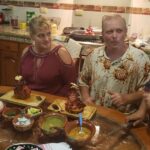
Drinks, Rhythm, and the Instructor Team (Paco and Juan)
Food classes live or die on the people. In this one, names come up again and again: instructors like Paco and the broader team led by Juan.
The vibe tends to be friendly and encouraging, with instructors explaining what you’re doing and why it matters. People also mention that the drinks are part of the experience, including margaritas in at least some sessions. If you’re thinking this is strictly a dry lesson, it’s not.
The class rhythm usually goes like this: ceremony and orientation, a structured sequence of prep tasks, then a meal that combines what you helped prepare with dishes the kitchen finishes. That mix keeps the pace comfortable. You get to participate, but you’re not stuck spending half the time waiting for someone else to handle heat-heavy work.
Sound matters here. When the room gets loud, the video audio can compete with conversation. If you’re sensitive to that, plan to ask your guide to repeat or clarify steps when needed. The teaching staff seems used to helping people keep up.
Private Class vs. Shared Energy: What Changes?
This activity can be private, meaning only your group participates. That matters because the class style is hands-on and instructor-led, so group size affects how much individual attention you get.
Some sessions feel personal, with small groups getting plenty of time for questions and hands-on tasks. Larger private bookings can still run well, but if more people are on-site than the instructor resources are built for, you might notice a drop in how hands-on each step feels.
So if you want a smoother, more tailored experience, a smaller private group is your best bet. If you’re happy with a lively shared-energy format, this can still be fun—just remember hands-on participation may vary by station.
Price and Value: Is $60.99 Worth It?
At $60.99 per person for about 2 hours and 45 minutes, you’re paying for more than cooking instruction. You’re buying a mini cultural program plus a multi-course meal with enough variety to learn the shape of the cuisine.
Here’s why the value can make sense for many people:
- The meal includes multiple course types (savory mains, a distinct regional snack, and corn-based dessert).
- You get hands-on prep opportunities like tortillas, guacamole/salsas, and seed-based spice work.
- There’s a cultural and food-meaning component, not just a task list.
If you’re the kind of traveler who wants one solid port-day activity that won’t be over in 45 minutes, this fits. It also compares well to experiences that charge more for a smaller portion of food and less structured teaching. The biggest value risk is mismatch: if you want a very knife-and-pan intensive cooking class, you might feel the hands-on is lighter than expected.
Practical Tips That Improve Your Odds
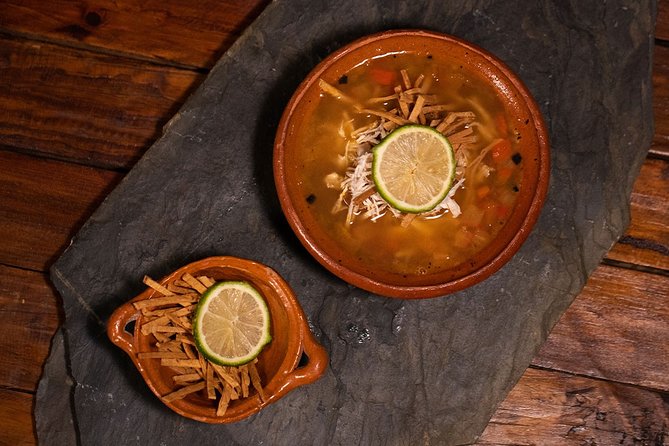
A few small choices can make the difference between a good class and a great one.
First: come hungry. Many people strongly recommend skipping breakfast or eating very lightly beforehand. The portions are described as plentiful, and the meal stretches beyond what you might expect from a “class.”
Second: plan your timing like you’re on cruise schedule. The location can be close to the port, but start time can shift if your group arrives with late ship participants. If you have a hard appointment right after, give yourself slack.
Third: don’t assume the class is purely quiet classroom learning. It’s a lively restaurant setting with video and a performance component. If you care about reading subtitles or visuals, sit where you can see the TV clearly.
Fourth: keep a realistic expectation about hygiene and hands-on sharing. Some people pointed out that handwashing and glove use aren’t consistently emphasized at every station. You can adjust by letting staff know if you have concerns, and you can also choose what you eat from the final plates after you see how the tortilla and prep workflow is handled.
Who Should Book This Mayan Cooking Class?
This tour is a great fit if you want:
- A hands-on taste of Mayan ingredients you can identify and discuss later
- A guided way to learn how corn, seeds, and spices build meals
- A port-day plan that ends with you eating what you helped make
It’s also a good pick for foodies who like stories with their recipes. The class connects flavors (axiote, sour orange marinades, corn-based sweets) to the cultural reasons behind them.
It may be less ideal if you want:
- A long stretch of chopping and cooking over heat with lots of individual cooking control
- A quiet classroom where every video word is easy to catch
If you’re bringing kids, the interactive style can work well since the workflow includes participation and eating a lot of food without requiring advanced cooking skills.
Should You Book This Mayan Cooking Class in Cozumel?
Yes, you should—if your main goal is a delicious, structured introduction to Mayan cuisine with real participation and a full meal at the end. The price feels more fair when you account for the multi-course food, the cultural program, and the chance to learn core items like tortillas and regional snacks.
You might think twice if you need heavy cooking action from start to finish or if you’re very sensitive to audio/visual clarity in a louder restaurant space. Also, if finding the exact spot is a worry, do a quick check before you leave your ship area so you don’t lose time.
FAQ
FAQ
How long is the Authentic Mayan Cooking Class in Cozumel?
It lasts about 2 hours and 45 minutes.
What does the class cost?
The price is $60.99 per person.
Is the class offered in English?
Yes. The experience is offered in English.
Is this a private class?
Yes. It’s listed as private, meaning only your group participates.
What dishes are included in the menu?
A sample menu includes beans with pork, cochinita pibil, sikilp’aak’, and corn-based cornbread (without flour).
Where do I meet the tour?
The meeting point is Av. Rafael E. Melgar 1, El Parque, 77675 Cozumel, Q.R., Mexico, and the activity ends back at the meeting point.
Are service animals allowed?
Yes, service animals are allowed.
Is there free cancellation?
Free cancellation is available. You can cancel up to 24 hours in advance for a full refund. If you cancel less than 24 hours before the start time, the amount you paid is not refunded.
Cook Cozumel-Style
- Cozumel Cooking Class★ 5.0 · 147 reviews
- Private Mexican Trompitos Cooking Class in Cozumel★ 5.0 · 31 reviews
Back in the Family Kitchen
- Traditional Family Kitchen in Cozumel★ 5.0 · 165 reviews
- Cozumel Cooking Class★ 5.0 · 147 reviews
- Private Mexican Trompitos Cooking Class in Cozumel★ 5.0 · 31 reviews
More Cozumel Maya to Walk
- Jade Caverns and Mayan Village Cozumel ATV TOUR★ 5.0 · 507 reviews
- Island Buggy Tour & Mayan Experience★ 5.0 · 305 reviews
- Cozumel Mayan Ruins and Beach Break★ 5.0 · 233 reviews
- Cozumel Buggy Tour: Snorkeling , Otoch Mayan Experience & Lunch★ 4.0 · 182 reviews
- Half-Day Island Tour with Mayan Experience & Beach Break★ 4.5 · 101 reviews
Latest Cozumel tours we have reviewed


Mayan Ruins & Villages, compared.
 ★ 5.0Jade Caverns and Mayan Village Cozumel ATV TOURFrom $79507 reviews
 ★ 5.0Island Buggy Tour & Mayan ExperienceFrom $75305 reviews
 ★ 5.0Cozumel Mayan Ruins and Beach BreakFrom $149233 reviews
 ★ 4.0Cozumel Buggy Tour: Snorkeling , Otoch Mayan Experience & LunchFrom $69182 reviews
 ★ 4.5Half-Day Island Tour with Mayan Experience & Beach BreakFrom $59101 reviews
 ★ 4.0Jungle Jeep Adventure to Mayan Caves, Cenote and SnorkelFrom $6596 reviews
 ★ 4.5ATV Seashore + Cenote Combo: Mezcalitos & Mayan Cenote ExperienceFrom $8096 reviews
 ★ 5.0Private Mayan Ruins Tour with Cenote/caves and Mexican PicnicFrom $10793 reviews
Browse the lists this tour appears in