
Reviewed · MAYAN RUINS & VILLAGES
Cozumel: General Entrance to Mayan Bee Sanctuary
Bees and Mayan symbols in 45 minutes. What I like most is the monolith path with limestone carvings tied to Mayan belief, and the honey tasting that turns the science into something you can actually taste. The main catch: it’s a short visit, so you’ll want a clear plan for getting back when you’re done.
The tour runs with a small group (limited to 10) and a live English/Spanish guide, so the explanations move at a human pace. You’ll also walk on uneven gravel, so wear shoes you trust and don’t count on a casual stroll.
In This Review
- Key things that make this sanctuary tour worth your time
- Cozumel’s $13 bee-and-myth stop that actually fits a short day
- Timing and where to show up: the 15-minute rule matters
- The monolith path: limestone carvings tied to Mayan belief
- Melipona bees, Mayan health, and why stingless matters
- Inside and outside the hives: how a colony is organized
- Honey tasting: honey, pollen, and propolis pearls
- Guides that make it click: Russell and Roberto as examples
- The short ceremony moment
- Group size and walking reality: small group, uneven gravel
- Price and value: why $13 can feel like a bargain here
- Who this tour is for (and who might want something else)
- Getting back to town: plan your ride before you start
- What to bring for a smoother visit
- Should you book the Cozumel Mayan Bee Sanctuary?
- FAQ
- How long is the Mayan Bee Sanctuary tour in Cozumel?
- How much does the general entrance cost?
- What language is the tour guide?
- How big is the group?
- Where do I meet for the activity?
- Is pickup or drop-off included?
- What’s included with the entrance?
- What should I bring?
- Is the terrain easy to walk on?
- Is the tour suitable for wheelchair users?
- Can I cancel for a refund?
Key things that make this sanctuary tour worth your time
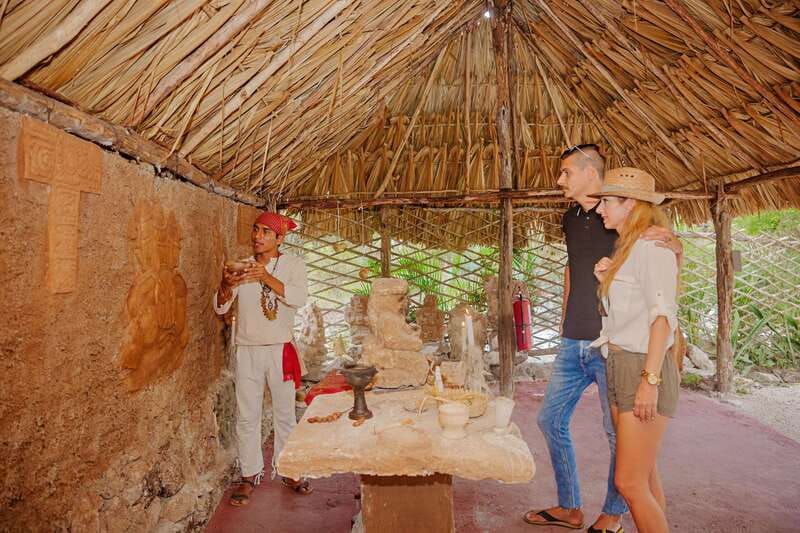
- Mayan monolith-style artwork: Limestone pieces connected to Ixchel, Aluxes, and stelae
- Stingless Melipona focus: You learn how this bee colony is organized and how it fits Mayan life
- Hive viewing both ways: You’ll see the structure and organization inside and out
- Honey tasting with variety: Honey, pollen, and propolis pearls, plus product examples
- Small-group feel: Limited to 10 participants, with certified English/Spanish guides
Cozumel’s $13 bee-and-myth stop that actually fits a short day
Cozumel days can get “snorkel, lunch, shop” pretty fast. This tour is different. In under an hour, you get Mayan symbolism, a living wildlife angle, and a hands-on tasting that makes the whole topic feel grounded rather than just decorative.
At $13 per person for 45 minutes, it’s priced like an easy add-on, not a big half-day production. The value is in what’s included: a guide, the monolith exhibition, access to the Meliponary, and honey tasting. Even if you’re just passing through and want one meaningful non-beach activity, this checks the boxes without eating your day.
More of Cozumel Maya, from San Gervasio to El Cedral
- Jade Caverns and Mayan Village Cozumel ATV TOUR
★ 5.0 · 507 reviews - Island Buggy Tour & Mayan Experience
★ 5.0 · 305 reviews - Cozumel Mayan Ruins and Beach Break
★ 5.0 · 233 reviews - Cozumel Buggy Tour: Snorkeling , Otoch Mayan Experience & Lunch
★ 4.0 · 182 reviews - Half-Day Island Tour with Mayan Experience & Beach Break
★ 4.5 · 101 reviews
Timing and where to show up: the 15-minute rule matters
Plan to arrive 15 minutes before the activity start. This matters because the group is small and the schedule is tight. You’ll meet at the place marked with the Mayan Bee Sanctuary sign, and that’s your simplest cue for not overthinking it.
One practical thing: no pickup or drop-off is included. On Cozumel, that can be fine if your plans already include a ride back. It can also be the difference between a smooth visit and an expensive scramble at the end, especially if you’re relying on cabs to wait.
The monolith path: limestone carvings tied to Mayan belief
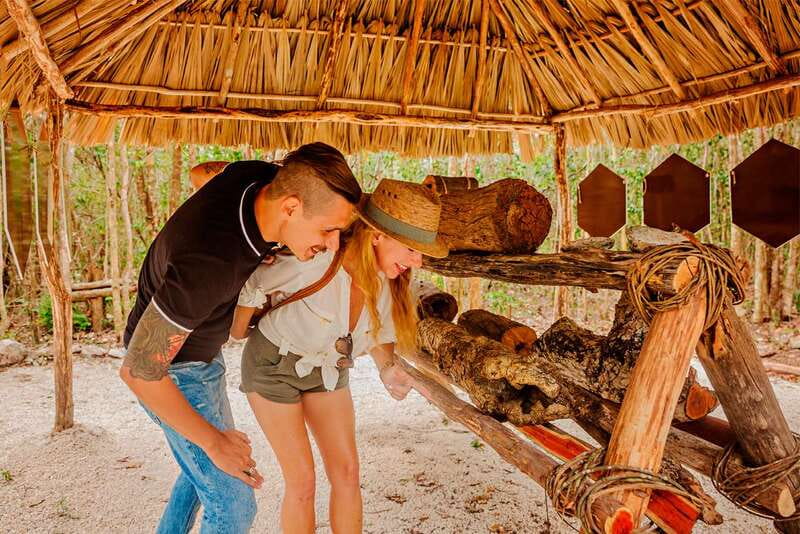
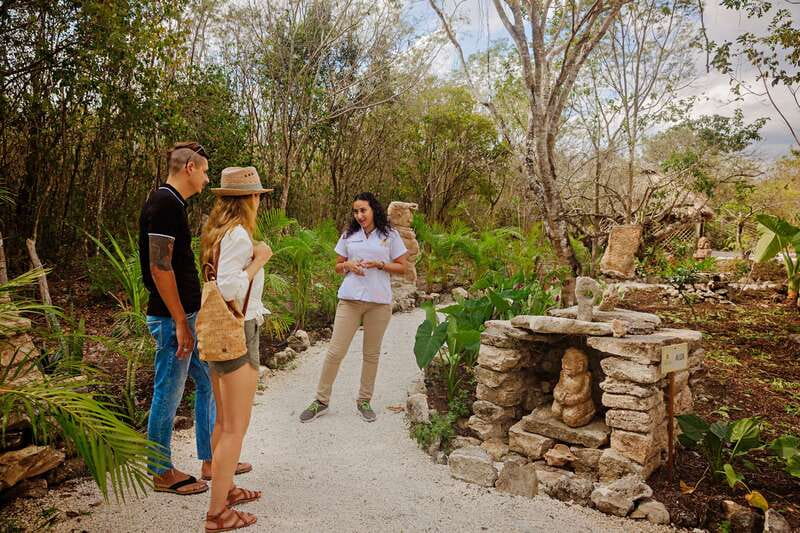
The walk is part of the experience, not just a hallway to reach the bees. Along the monolith path, you’ll see unique pieces sculpted in limestone by a local artist. What makes this more than decorative is the way the guide connects the symbols to Mayan belief systems and cultural evolution.
You’ll hear about religious figures and concepts such as Goddess Ixchel, the Aluxes, and stelae. Even if you don’t know much about these terms before you arrive, the structure helps. It’s not a museum lecture that loses you halfway. You’re moving at a walking pace while the story stays attached to what you’re actually seeing.
Melipona bees, Mayan health, and why stingless matters
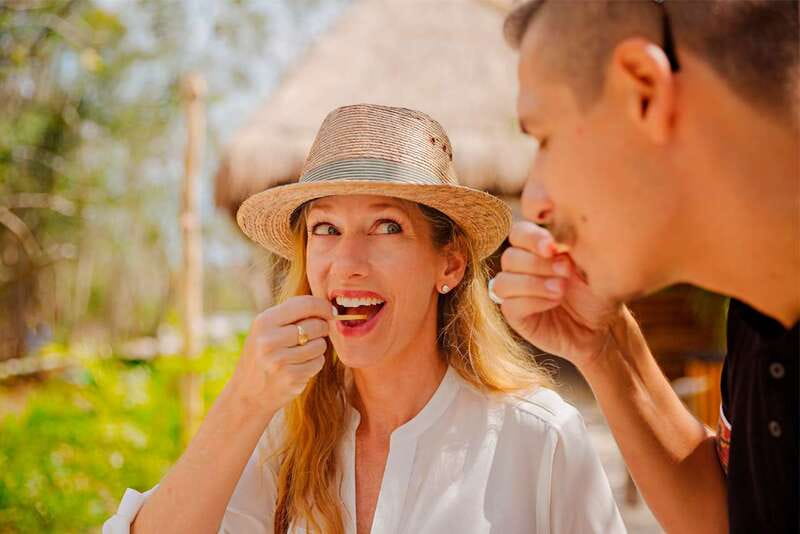
The heart of the tour is the Melipona honey story. This honey comes from stingless bees, and the tour explains both nutritional and medicinal properties attributed to Melipona honey and the close relationship between the Mayan people and these bees.
You’ll hear how ancient Mayans valued honey for healing—restoring well-being and bringing harmony to the heart, with ideas about vigor and strength. Whether you look at that through a cultural lens, a health-lore lens, or a “food tradition” lens, it gives you a reason honey is central to the story instead of just being a sweet finish.
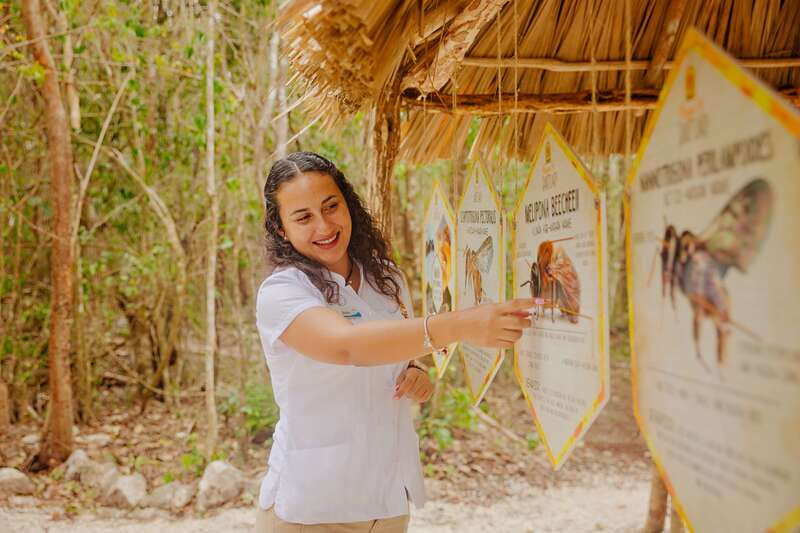
Then comes the science-y part, but presented in a way you can picture: the guide walks you through how the bee colony is structured—covering roles like the queen, princesses, drones, workers, and a guardian. Stingless doesn’t mean insignificant. It means the colony dynamics are still fascinating, just different from the more famous honeybee story people usually know.



Inside and outside the hives: how a colony is organized
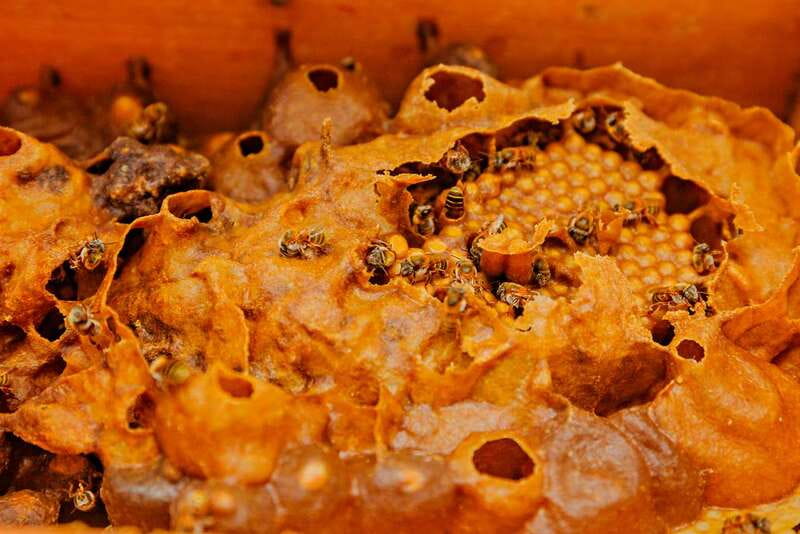
The sanctuary doesn’t just point at boxes. You’ll discover the hive structure inside and out, so you can understand how the colony is organized as more than one big “bee community.”
This is where the tour earns its keep if you like natural history. The guide explains the role of each group in the colony, and you get a better feel for how a colony stays functional day after day. If you’ve ever wondered what bees do besides buzz around flowers, this is the kind of explanation that turns vague curiosity into a real picture.
Honey tasting: honey, pollen, and propolis pearls
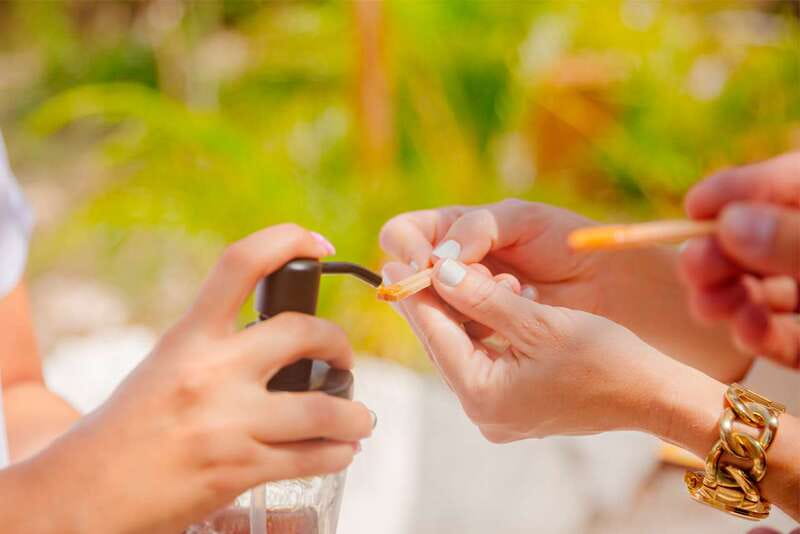
The tour ends with something you can judge instantly: tasting. You’ll sample different varieties of honey and you’ll also get examples tied to pollen and propolis pearls.
This tasting is practical, not just a sweet reward. It helps you remember the differences the guide described earlier—because once you’ve tasted multiple types, the “Melipona honey matters” message lands in a sensory way. One of the strongest compliments I saw repeatedly is that the honey is delicious, and that the tasting is part of what makes the tour feel worth doing even if you’re on a tight timeline.
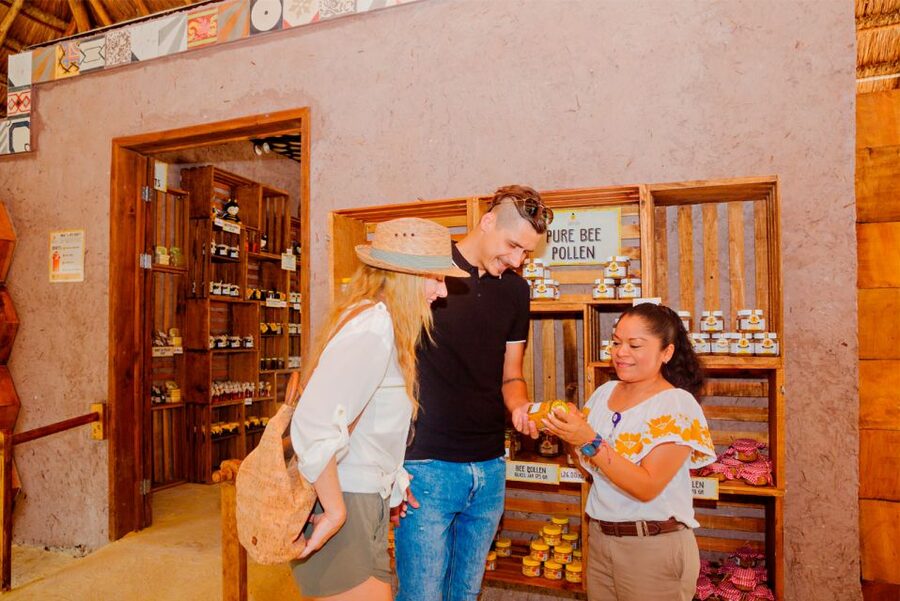
You’ll also see how the honey is used to make products like candies, eye drops, soaps, shampoos, and creams. That matters because it connects the sanctuary to everyday use. It’s not just a hobby farm; it’s a small ecosystem with real output and real value.
Guides that make it click: Russell and Roberto as examples
What elevates this from okay to great is the way the guides explain the connections between culture and biology. In the feedback you can see a pattern: guides are praised for being friendly and for delivering the story with passion.
Two names show up: Russell and Roberto. Their common thread in the notes is that they made the bees feel fascinating and the Mayan context feel understandable. If you care about having your questions answered—like why stingless bees matter or what the symbolism means—you’re in the right place.
The short ceremony moment
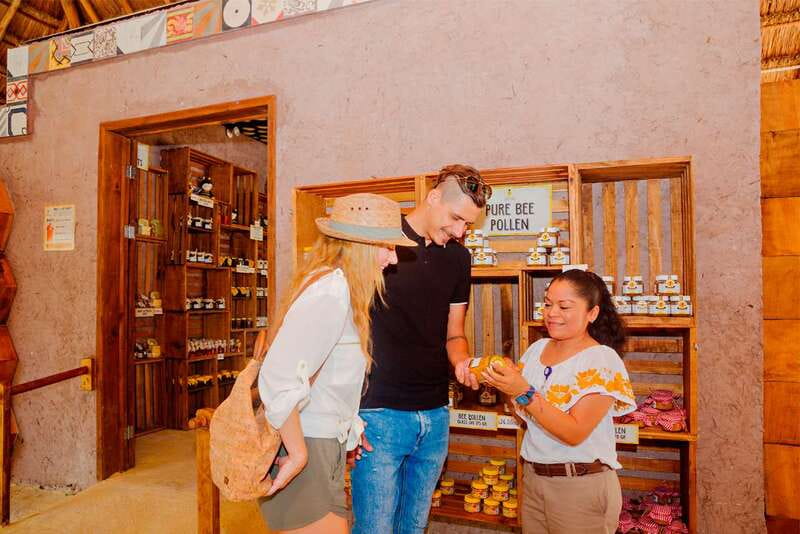
One detail that comes up in the experience is a quick ceremony that people found moving. The tour is brief, so this won’t take over your time, but it adds a human, reflective note to the practical parts: walking the monolith path, seeing hives, and then tasting honey.
If you prefer tours that are purely informational, you might see this as light-touch. If you like cultural moments even when they’re short, it’s a nice bonus.
Group size and walking reality: small group, uneven gravel
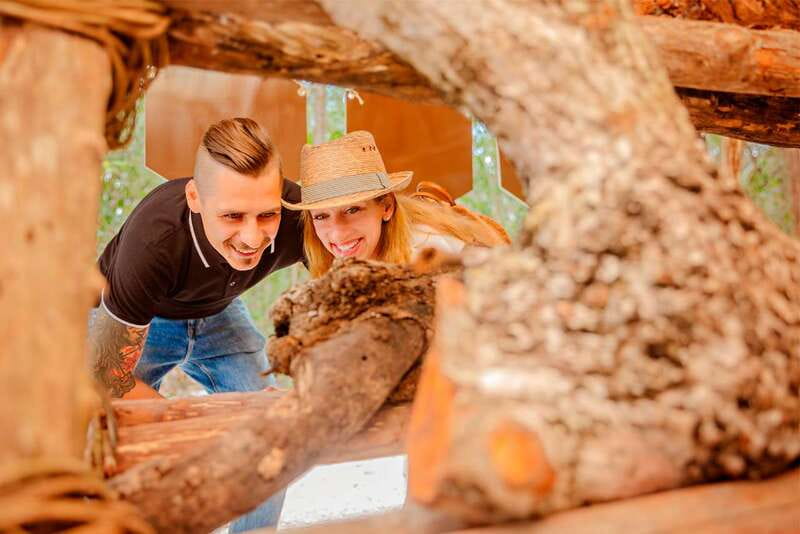
This is a small group experience, limited to 10 participants. That’s a real advantage in a short tour because it helps the guide keep attention on you. Nobody gets lost in a crowd, and you’re more likely to hear explanations clearly.
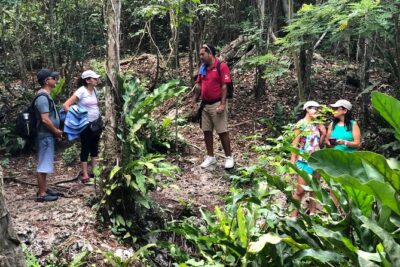
Still, don’t treat it like a flat stroll. The tour includes walking on uneven gravel terrain. Bring comfortable shoes and wear clothes that can handle a bit of uneven ground. For Cozumel heat, add biodegradable sunscreen, plus sunglasses so you’re not squinting through the outdoor parts.
Also plan for insects with insect repellent. Even in a sanctuary setting, you’re outside, and the guide will be doing their best to keep the tour moving smoothly.
Price and value: why $13 can feel like a bargain here
Let’s talk value, not just cost. For $13, you’re not paying for a long bus ride or a big production. You’re paying for a concentrated package:
- entrance to the Mayan Bee Sanctuary
- a certified English/Spanish-speaking guide
- honey tasting
- the Mayan Monoliths Exhibition
- access to the Meliponary
At this price, the biggest question is whether you’ll enjoy the format. If you want a quick change of pace from beach time, the answer is usually yes. The tour also gives you a cultural framework that’s not generic. You’re not just seeing bees; you’re connecting them to Mayan symbolism and to how the community values honey.
Who this tour is for (and who might want something else)
This works best if you:
- want something short and focused (about 45 minutes)
- enjoy animal and nature learning that feels human-sized
- like cultural symbols presented in context, not as trivia
- want to taste local products and understand how they connect to the sanctuary
It’s not a fit if you need a fully flat, low-movement experience. The tour is not suitable for people with mobility impairments and wheelchair users due to the uneven gravel.
If you’re only interested in snorkeling or you want a longer outdoor adventure, you might find this tour too brief. But if you want one meaningful stop that won’t steal your whole day, it’s a smart pick.
Getting back to town: plan your ride before you start
This is the practical drawback to take seriously. Because pickup and drop-off aren’t included, you’re responsible for your return plan. One complaint I saw clearly: if you don’t have a ride back lined up, getting a cab later can get expensive since drivers may have to wait.
My advice is simple: sort out your transportation before you head in. If you’re using a ride-share, ask in advance about timing and availability where you’ll be returning. If you’re arranging a cab, clarify whether the driver will wait or whether you’ll meet them at a specific pickup point.
What to bring for a smoother visit
Bring a small kit and you’ll enjoy the tour more:
- Comfortable shoes for uneven gravel
- Sunglasses for outdoor walking
- Biodegradable sunscreen
- Comfortable clothes in warm weather
- Insect repellent
- Cash (handy for honey products and souvenirs)
And keep expectations realistic: this is a walk-and-learn format, not a sit-still show.
Should you book the Cozumel Mayan Bee Sanctuary?
I’d book this if you want a quick, meaningful break from the usual Cozumel rhythm. The combination of Mayan symbolism (Ixchel, Aluxes, stelae), stingless Melipona hive structure, and a real honey tasting makes it more than a “see something and move on” stop.
I wouldn’t book it if you need step-free access, or if you’re the type who hates short tours. The upside is strong for the price, but you do need to handle transportation back to town on your own.
FAQ
How long is the Mayan Bee Sanctuary tour in Cozumel?
The tour duration is about 45 minutes.
How much does the general entrance cost?
It costs $13 per person.
What language is the tour guide?
The tour includes a live guide in English and Spanish.
How big is the group?
The group is limited to 10 participants.
Where do I meet for the activity?
Meet at the Mayan Bee Sanctuary sign. Arrive 15 minutes before the start.
Is pickup or drop-off included?
No, pickup and drop-off are not included.
What’s included with the entrance?
Included items are the entrance fee, a certified English/Spanish-speaking guide, honey tasting, Mayan Monoliths Exhibition, and the Meliponary.
What should I bring?
Bring comfortable shoes, sunglasses, biodegradable sunscreen, comfortable clothes, insect repellent, and cash.
Is the terrain easy to walk on?
Some walking on uneven gravel terrain is required.
Is the tour suitable for wheelchair users?
No. It is not suitable for people with mobility impairments or wheelchair users.
Can I cancel for a refund?
Yes. You can cancel up to 24 hours in advance for a full refund.
More Cozumel Maya to Walk
- Jade Caverns and Mayan Village Cozumel ATV TOUR★ 5.0 · 507 reviews
- Authentic Mayan Cooking Class in Cozumel★ 5.0 · 344 reviews
- Island Buggy Tour & Mayan Experience★ 5.0 · 305 reviews
- Cozumel Mayan Ruins and Beach Break★ 5.0 · 233 reviews
- Cozumel Buggy Tour: Snorkeling , Otoch Mayan Experience & Lunch★ 4.0 · 182 reviews
Latest Cozumel tours we have reviewed


Mayan Ruins & Villages, compared.
 ★ 5.0Jade Caverns and Mayan Village Cozumel ATV TOURFrom $79507 reviews
 ★ 5.0Authentic Mayan Cooking Class in CozumelFrom $60344 reviews
 ★ 5.0Island Buggy Tour & Mayan ExperienceFrom $75305 reviews
 ★ 5.0Cozumel Mayan Ruins and Beach BreakFrom $149233 reviews
 ★ 4.0Cozumel Buggy Tour: Snorkeling , Otoch Mayan Experience & LunchFrom $69182 reviews
 ★ 4.5Half-Day Island Tour with Mayan Experience & Beach BreakFrom $59101 reviews
 ★ 4.5ATV Seashore + Cenote Combo: Mezcalitos & Mayan Cenote ExperienceFrom $8096 reviews
 ★ 4.0Jungle Jeep Adventure to Mayan Caves, Cenote and SnorkelFrom $6596 reviews
Browse the lists this tour appears in