
Reviewed · SCUBA DIVING & DIVE COURSES
Open Water Course Cozumel
Buoyancy drills beat guesswork on scuba skills. I loved the patient teaching I saw from instructors like Jon and Mariana, with a strong trim and buoyancy focus from day one, and I liked the small-pool practice that builds confidence before you go out. One possible drawback: you’ll need moderate physical fitness, and your water time depends on weather.
This course lets you handle theory in a way that fits real travel days, with knowledge development either online or in a classroom. It’s also a private experience, so your instructor can tailor pacing, repeat skills, and answer questions without rushing the group.
You’ll base yourself around Cozumel, with the start and end at San Miguel de Cozumel and a check-in tied to a Playa del Carmen address. Expect the full PADI structure: knowledge development, confined-water skills, and open-water training off the region’s coast.
In This Review
- Key highlights worth planning around
- PADI Open Water in Cozumel: what you’re really paying for
- Two days vs three days: how to fit it into a Cozumel trip
- Knowledge development: online or classroom so you don’t lose a day
- Confined-water sessions: the small pool that builds real control
- Open-water training around the Mayan Riviera and Cozumel
- Marine conservation isn’t a sidebar here
- Instructors who teach control: Jon, John, Mariana, and Cata
- Gear basics: what you’ll learn to handle during the course
- Meeting points and how the day usually feels
- Price and value: $600 for English instruction and focused coaching
- Weather, fitness, and the one reality check
- Who this course suits best (and who should think twice)
- Should you book this Cozumel Open Water course?
- FAQ
- FAQ
- How long is the Open Water Diver course?
- Is the course theory part online or in a classroom?
- What are the main phases of the Open Water Diver course?
- Where does the activity start and end?
- Where do you check in for tickets?
- Is this a private tour?
- What language is offered?
- What gear topics are covered in the course?
- Do they provide video of your sessions?
- What’s the cancellation policy?
Key highlights worth planning around
- Finish in 2 or 3 days depending on your schedule and availability
- Online or classroom theory for the knowledge development phase
- Confined-water practice in a small pool to get buoyancy right fast
- Open-water training off the Mayan Riviera and Cozumel area for real-world skills
- Marine conservation lessons as part of the course mindset
- Filmed instruction on request so you can review your technique later
PADI Open Water in Cozumel: what you’re really paying for
On paper, this looks like a standard PADI Open Water Diver course. In practice, it’s a training package designed to get you competent quickly, not just “checked off.”
You’re paying $600 per person for a short, focused training rhythm: theory, skill practice in controlled water, then open-water sessions where those skills matter. For many people, the value here is the way they prioritize control—buoyancy, trim, and safer movement—so you don’t feel like you’re learning by luck.
The reviews I read put a clear spotlight on teaching style. People praised instructors for patient coaching and for teaching basics early, not late. That shows up in the course flow too: you’re not thrown straight into chaos.
More Cozumel dive trips and first-timer courses
- Discover Scuba Diving in Cozumel Paradise Reef
★ 5.0 · 686 reviews - SeaTrek Underwater Helmet Diving Experience in Downtown Cozumel
★ 4.5 · 214 reviews - Cozumel Scuba Dive at Chankanaab
★ 5.0 · 153 reviews - Cozumel Shore Excursion: Mini-SUB Diving Adventure
★ 4.5 · 151 reviews - Cozumel: One Tank Scuba Dive and Full Chankanaab Park Access
★ 4.9 · 149 reviews
Two days vs three days: how to fit it into a Cozumel trip
The course can be completed in 2 or 3 days depending on availability. That matters because Cozumel is often a stop on a wider vacation plan, and you probably don’t want your schedule stuck behind one slow training day.
Here’s the practical way to think about it:
- If you want the fastest finish, you’ll aim for the tighter version and keep theory and skills moving quickly.
- If your trip is more relaxed, the 3-day option gives more breathing room for learning and practice.
Either way, the three phases are the same. What changes is how much time you get to repeat skills and how your days get grouped (for example, whether your water practice leans more toward confined training first, or mixes locations sooner).
Knowledge development: online or classroom so you don’t lose a day
Knowledge development is the first phase. You’ll learn the basic principles of scuba so you understand what’s happening underwater instead of just following steps.
You can do the theory section online (independent study) or in a classroom setting. For travel planning, this is one of the best features. If you’re arriving and you still feel jet-lagged, doing theory online can keep you from burning your best energy on reading and testing.
If you prefer structure—quiet room, instructor available for questions—classroom knowledge development can help you get answers faster.
Either route supports the same goal: you’ll show up for the water portion knowing what your gear is doing and why your body position matters. That mindset reduces panic later.
Confined-water sessions: the small pool that builds real control
The confined-water phase is where most new divers either build confidence—or start to feel overwhelmed. Here, the program leans hard into making this stage efficient.
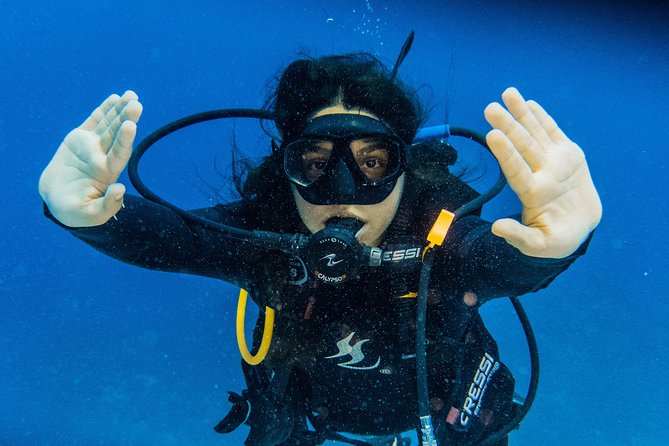
A common theme in the feedback is the small pool setup. The idea is simple: buoyancy practice becomes faster when the space is controlled and the instructor can keep eyes on your technique. You’re learning to use the standard gear set, including your mask, snorkel, fins, regulator, buoyancy control device, and tank.
You’ll also practice core skills that translate directly to open water:
- getting comfortable with your regulator and breathing rhythm
- managing buoyancy so you don’t sink or float awkwardly
- working on body position (trim) so you’re not kicking like a maniac
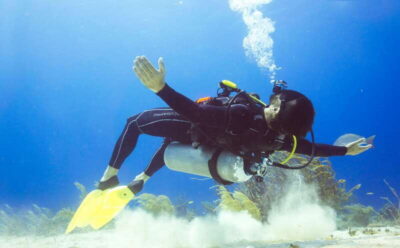
And yes, there’s an environmental angle early. One comment I liked noted that the teaching discourages sand-kicking behavior and focuses on responsible movement, which helps protect coral.

Open-water training around the Mayan Riviera and Cozumel
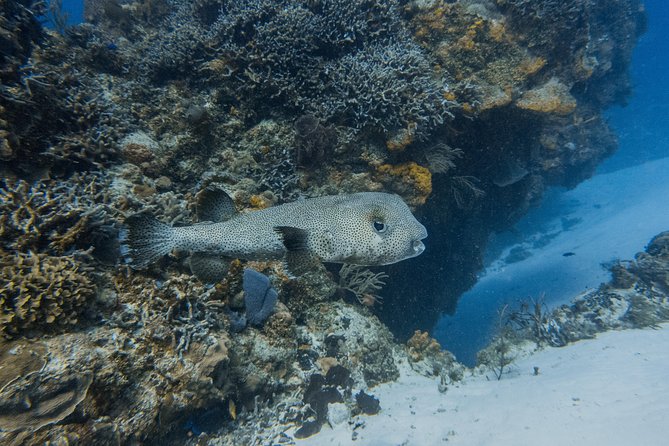
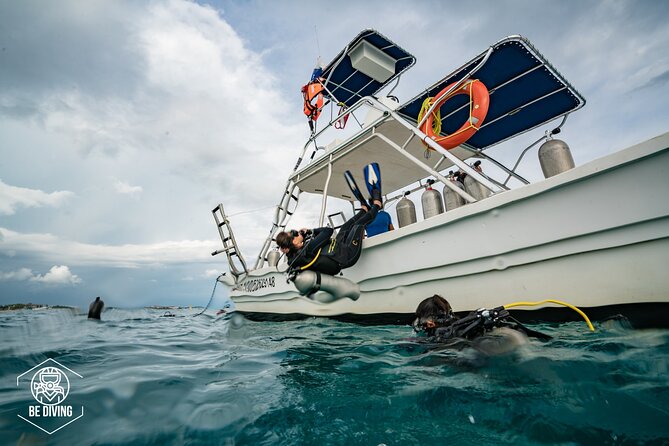
After you’ve handled the basics, you’ll move to open-water sessions to use those skills in a real setting. The program is based in Cozumel, and the training area is described as being off the coast of the Mayan Riviera.
In real-world terms, that means you’ll get practice where conditions are less predictable than a pool. Your goal isn’t to become a superhero overnight. It’s to learn how your buoyancy and positioning behave when you’re in open water, and to build trust in your skills.
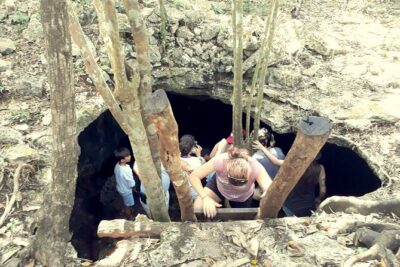
Some groups also include a freshwater cenote stop during their course schedule (for example, Casa Cenote near Tulum was mentioned). If your dates allow it, that type of water training can be a great bridge: clear visibility, calm conditions compared to open ocean, and still enough depth and features to make skill practice feel meaningful.
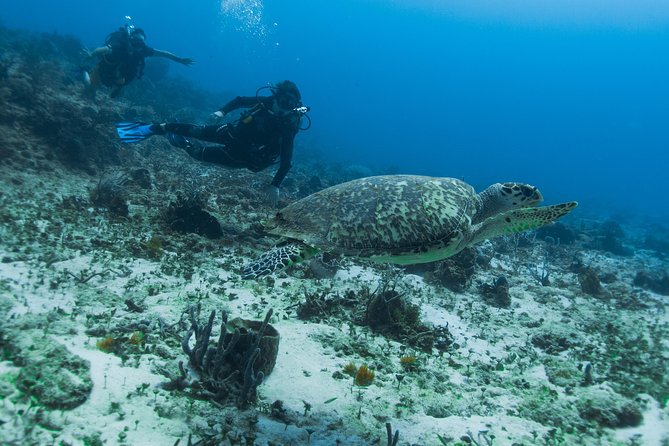
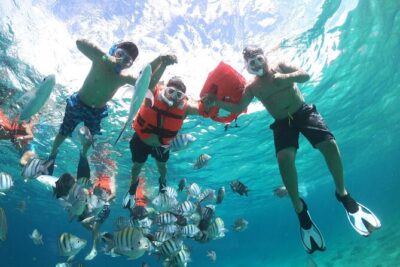
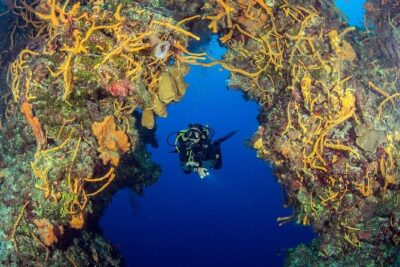
Then, for the Cozumel portion, you’ll be working in an ocean reef area tied to the Mesoamerican reef region. Expect the scenery and marine life to do what photos never can: make you slow down and care about how you move.
Marine conservation isn’t a sidebar here
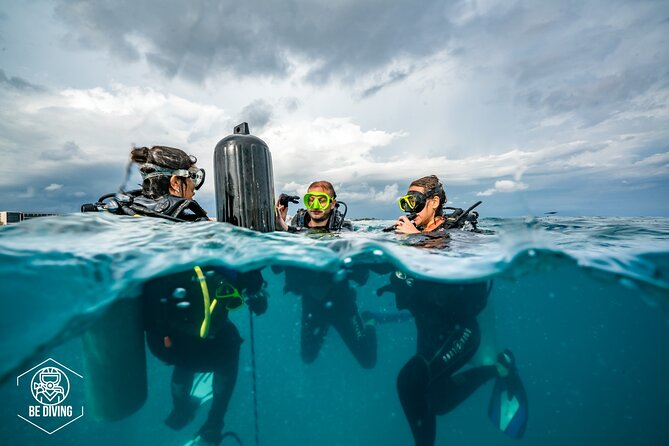
A lot of tours say they care about the ocean. This course builds conservation thinking into the training itself.
You’ll learn about marine conservation as part of completing the Open Water course. That shows up in the way instructors emphasize responsible habits—like reducing contact with the bottom and avoiding behavior that damages coral.
This is more than feel-good talk. When you’re learning buoyancy and trim, you’re also learning how to avoid kicking sand or scraping. That’s conservation with practical consequences.
If you want to leave certification knowing how to behave as a respectful scuba student (and later, a respectful scuba diver), this program clearly points you in that direction.
Instructors who teach control: Jon, John, Mariana, and Cata
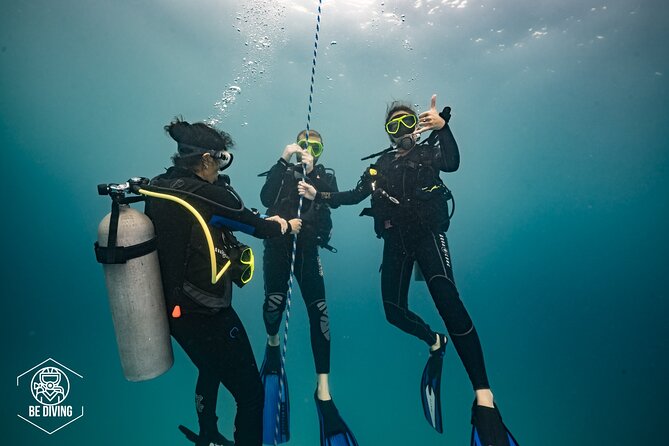
Instruction quality is the difference between “I survived the course” and “I feel ready to keep going.” The standout names in the feedback are Jon (sometimes written as John), Mariana, and Cata as part of the teaching team.
What people praised most wasn’t just friendliness. It was the combination of patience and fundamentals. One technical-minded comment highlighted that early training covered trim and buoyancy, plus kicking methods from the beginning, rather than ignoring body mechanics until later. That’s exactly what helps you become self-sufficient underwater.
Another theme: communication. You’ll get clear goals before each water segment so you know what skill you’re focusing on during that session. That kind of structure makes practice feel purposeful instead of random.
Also, people appreciated that instructors didn’t rush them. In a course this short, rushing usually shows up as sloppy habits. Here, the training pace seems designed to protect technique.
Gear basics: what you’ll learn to handle during the course
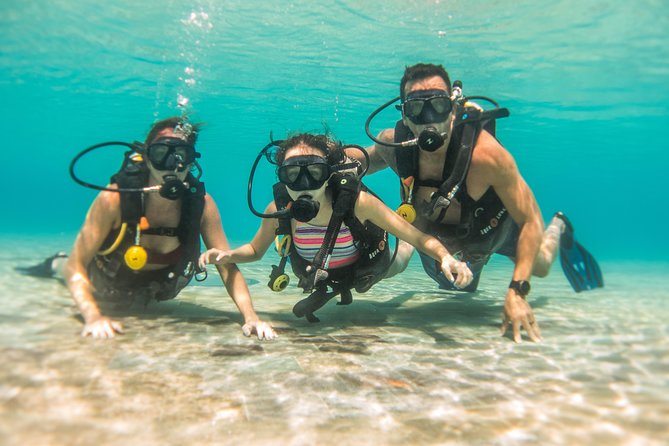
You’ll learn to use the standard scuba gear package that PADI includes for Open Water:
- mask
- snorkel
- fins
- regulator
- buoyancy control device
- tank
The practical win is that you learn how each item affects your body position and breathing. Early on, most beginners struggle with buoyancy control because their body position and breathing rhythm aren’t yet coordinated. When that clicks in confined water, the open-water portion feels far less scary.
If you’re worried about being “clumsy,” don’t. This course is built for beginners. The key is giving yourself permission to take the time needed to practice the basics in the pool.
Meeting points and how the day usually feels
The start and end are tied to San Miguel de Cozumel, and the activity ends back at the meeting point. Ticket redemption is listed at 10 Avenida Nte. 173-5 in Gonzalo Guerrero, Playa del Carmen.
What that means for you: plan for a day that starts with a check-in, then moves into a short training loop—classroom or online theory, pool practice, then open-water sessions. The program is also described as being near public transportation, which is useful if you’re staying in the area and prefer not to rely on complicated transfers.
Finally, this is a private tour/activity. That usually helps a lot. You get your instructor attention without sharing it with a large mixed-skill crowd.
Price and value: $600 for English instruction and focused coaching
At $600 per person, this is not a budget “just go swim with a guide” situation. You’re paying for structured certification training, instruction time, and the teaching team’s effort to keep you safe while learning.
Where the value shows up:
- You get the full PADI Open Water structure in a short schedule (2–3 days).
- You can do theory online or in a classroom, which helps you avoid wasting travel time.
- You get coached skill work emphasizing buoyancy, trim, and safer movement.
- English instruction is offered, which is big if you’re not traveling with fluent Spanish.
- Reviews heavily emphasize technique-focused, patient teaching.
If your goal is to “get certified quickly” and still come out with skills you trust, $600 can feel reasonable. If you mainly want a relaxed sightseeing outing, you might find a cheaper day tour elsewhere. But for Open Water Diver training, this price looks aligned with what you’re actually doing.
Weather, fitness, and the one reality check
Two practical notes before you book:
- You’ll need moderate physical fitness. If you’re recovering from an injury or you’re very sedentary, you might feel stressed during training days.
- The experience requires good weather. If conditions aren’t suitable, you’ll be offered a different date or a full refund.
This is the kind of training where “weather” isn’t just comfort. It affects whether open-water sessions can run safely.
Who this course suits best (and who should think twice)
This Open Water Diver course is a strong fit if:
- you want a structured certification with a short timeline (2–3 days)
- you’re a beginner who wants technique taught step-by-step
- you care about responsible marine behavior and want it built into your training
- you prefer English instruction
- you like the idea of a private group so you can ask questions freely
Consider other options if:
- you can’t handle moderate physical activity on a few consecutive days
- you’re traveling at the edge of a tight schedule where weather delays would ruin your plan
- you mainly want casual water time, not certification skill development
Should you book this Cozumel Open Water course?
I’d book it if you’re serious about learning scuba fundamentals the right way and you want a focused training sprint in a beginner-friendly setting. The big selling points for me are the attention to trim and buoyancy, the patient teaching style from instructors like Jon and Mariana, and the way confined-water practice builds confidence before you’re out in open water.
Skip it only if your trip dates are inflexible or your fitness level makes you doubt you can comfortably complete the course phases.
FAQ
FAQ
How long is the Open Water Diver course?
It’s listed as about 3 days on average, and the course can be completed in 2 or 3 days depending on your availability.
Is the course theory part online or in a classroom?
You can study the knowledge development section either online (independent study) or in a classroom.
What are the main phases of the Open Water Diver course?
The course includes knowledge development, confined water dives (skill practice), and open water dives (using your skills in open water).
Where does the activity start and end?
The start is in San Miguel de Cozumel, Quintana Roo, Mexico. It ends back at the meeting point.
Where do you check in for tickets?
Ticket redemption is at 10 Avenida Nte. 173-5, Gonzalo Guerrero, 77710 Playa del Carmen, Q.R., Mexico.
Is this a private tour?
Yes. This is a private tour/activity, and only your group participates.
What language is offered?
The experience is offered in English.
What gear topics are covered in the course?
You learn to use standard scuba gear including a mask, snorkel, fins, regulator, buoyancy control device, and a tank.
Do they provide video of your sessions?
One review mentions they take videos of your underwater sessions, and you can buy them afterwards.
What’s the cancellation policy?
Free cancellation is available. You can cancel up to 24 hours in advance for a full refund. If you cancel less than 24 hours before the start time, you won’t get a refund. It also depends on weather, and if the experience is canceled due to poor weather you’ll be offered another date or a full refund.
More Tanks Down Off Cozumel
- Discover Scuba Diving in Cozumel Paradise Reef★ 5.0 · 686 reviews
- SeaTrek Underwater Helmet Diving Experience in Downtown Cozumel★ 4.5 · 214 reviews
- Cozumel Scuba Dive at Chankanaab★ 5.0 · 153 reviews
- Cozumel Shore Excursion: Mini-SUB Diving Adventure★ 4.5 · 151 reviews
- Cozumel: One Tank Scuba Dive and Full Chankanaab Park Access★ 4.9 · 149 reviews
Latest Cozumel tours we have reviewed
Scuba Diving & Dive Courses, compared.
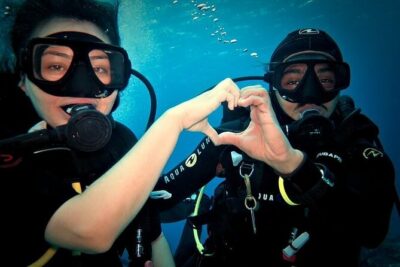 ★ 5.0Discover Scuba Diving in Cozumel Paradise Reef686 reviews
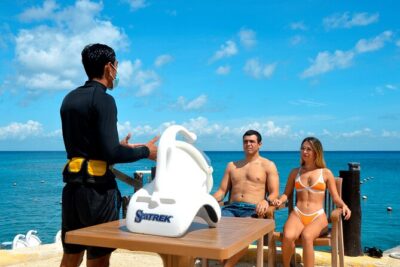 ★ 4.5SeaTrek Underwater Helmet Diving Experience in Downtown CozumelFrom $79214 reviews
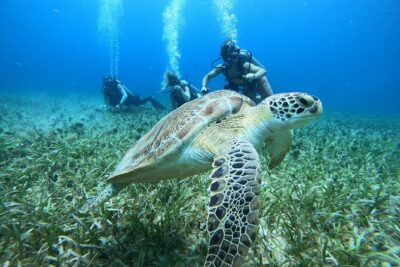 ★ 5.0Cozumel Scuba Dive at ChankanaabFrom $85153 reviews
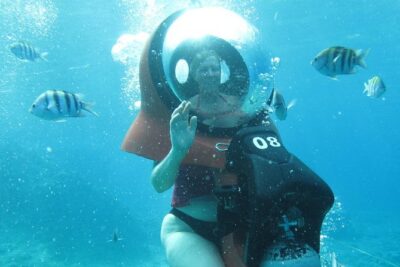 ★ 4.5Cozumel Shore Excursion: Mini-SUB Diving AdventureFrom $89151 reviews
 ★ 4.9One Tank Scuba Dive and Full Chankanaab Park AccessFrom $63149 reviews
 ★ 5.02 Tank Morning Dive: Scuba Diving in CozumelFrom $160148 reviews
 ★ 4.52 dives in Cozumel (for certified divers only)From $110141 reviews
 ★ 5.0Discover Scuba DivingFrom $95139 reviews
Browse the lists this tour appears in