
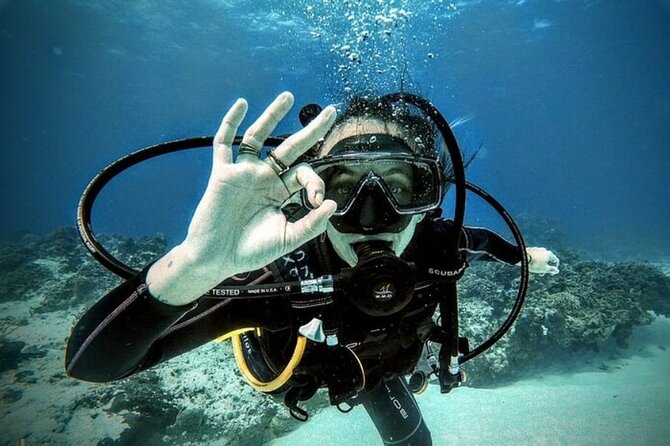
Reviewed · SCUBA DIVING & DIVE COURSES
2 tanks for certified divers
Hook: Two reefs, one great Cozumel day.
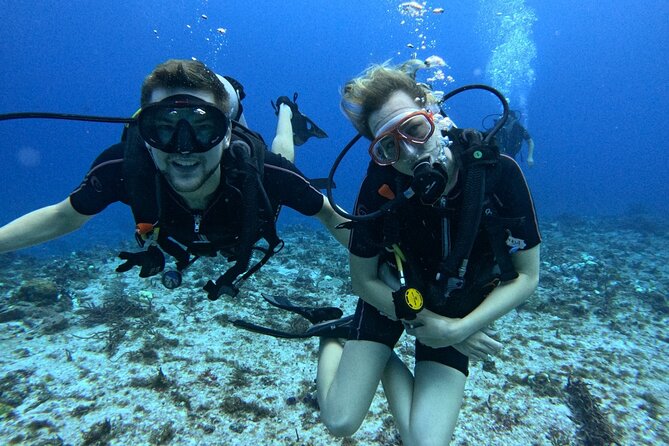
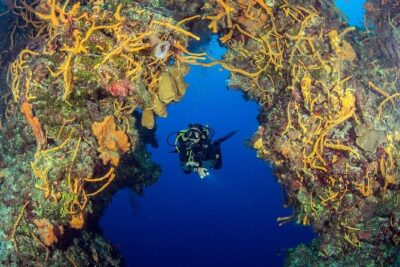
This two-tank experience is built for certified divers and focuses on real reef wildlife like turtles, eagle rays, and colorful reef fish. I especially like the small-group size (max 15) and the way the crew picks the two reef locations the same day based on currents and conditions.
The one thing to think about is timing and meeting point details, especially if you’re on a cruise. One unlucky case came down to ship time vs local time, and the pickup location is at the small boat marina on Cozumel’s south side, not the dive shop in town.
In This Review
- Key Things I’d Watch for Before You Go
- Cozumel National Park: what makes two reef visits work
- Price and value: what $191.29 gets you (and what to compare)
- Meeting at Marina Cozumel (ASIPONA) and why timing matters
- Your crew and the two-guide style that keeps the day smooth
- First reef session: what you’re aiming to see
- The between-sites break: lunch that actually helps
- Second reef session: a different site for more wildlife variety
- Communication in the real world: WhatsApp, phone power, and updates
- Comfort and safety: what you should expect (and how to help)
- What to bring for this 5-hour reef plan
- Should you book this two-tank reef experience?
- FAQ
- Is this tour for certified divers only?
- How long is the experience?
- What time does it start?
- Where is the meeting point?
- Is the tour offered in English?
- What’s the group size?
Key Things I’d Watch for Before You Go
- Two reef sites, chosen by conditions: you’re not locked into one spot if the water isn’t behaving.
- Small group (max 15): more attention, less waiting around.
- On-board meal between water sessions: helps you stay comfortable and ready for the second site.
- English-speaking guide team: guided experience is designed for English speakers.
- WhatsApp-style communication: plan on quick messages and keep your phone charged.
- Cruise passengers: verify local time: ship schedules don’t always match Cozumel time.
Cozumel National Park: what makes two reef visits work
Cozumel’s reef system is famous for a reason. This plan is in the Cozumel National Park area, part of the larger barrier reef system that circles the island. Doing two reef stops matters because reefs feel different within the same day—different fish, different traffic of rays and turtles, and often different currents.
From the tour description, you’ll start with one reef to take in the marine life, then finish with a second reef at another site. The key detail I like is that the operator chooses both reefs on the spot, based on conditions and currents. That’s not just trivia. In real ocean time, currents change. A site that’s calm in the morning can get rougher later, and the smart crew adapts.
More Cozumel dive trips and first-timer courses
- Discover Scuba Diving in Cozumel Paradise Reef
★ 5.0 · 686 reviews - SeaTrek Underwater Helmet Diving Experience in Downtown Cozumel
★ 4.5 · 214 reviews - Cozumel Scuba Dive at Chankanaab
★ 5.0 · 153 reviews - Cozumel Shore Excursion: Mini-SUB Diving Adventure
★ 4.5 · 151 reviews - Cozumel: One Tank Scuba Dive and Full Chankanaab Park Access
★ 4.9 · 149 reviews
Price and value: what $191.29 gets you (and what to compare)
At $191.29 per person, you’re paying for a full half-day-style outing (about 5 hours) built around two tank underwater sessions for certified divers, plus a meal between the two. That price can be a decent value in Cozumel because you’re not just buying “a spot in the water.” You’re buying the boat time, guides, safety setup, and the logistics to get you to two different reef locations the same day.
When you compare options, look beyond the headline price and compare:
- how many reef sites you get,
- whether the cost includes a meal,
- whether the group is kept small,
- and how they handle changing conditions.
This operator caps the group at 15 travelers and brings the day together with two planned water sessions plus lunch. For many people, that’s the sweet spot—enough time to see real wildlife, without turning your day into a marathon.
Meeting at Marina Cozumel (ASIPONA) and why timing matters
Your start point is the Marina Cozumel ASIPONACarr. Costera Sur Km 6.5, Zona Hotelera Sur, 77675 Cozumel, Q.R., Mexico, and you’ll begin at 9:30 am. The activity ends back at the same meeting point.
That sounds simple, but the most important thing is not the address on your phone. It’s the time. Cozumel local time and cruise ship time can be different. In one painful situation, the diver made it to the port quickly after rushing from the ship, but missed the rendezvous because the ship’s schedule didn’t match local timing.
So here’s my practical advice: if you’re on a cruise, double-check the time zone difference and build in buffer. Also, don’t assume that a “local morning” means you’ll be met exactly when your ship says you arrive. Confirm the meeting time in writing and keep a screenshot handy.
Your crew and the two-guide style that keeps the day smooth
The vibe here comes through in the details. Multiple people describe the guides as friendly, professional, and safety-minded. I also like that they keep the experience organized enough that paperwork happens cleanly before you get in the water.
One helpful detail: the operator reached out to collect photos of your dive cards and have you sign the standard dive paperwork ahead of time. If you have your certification info ready (photos on your phone or the actual card), you’ll save time and avoid last-minute stress.
You’ll also hear guide names in the feedback. People singled out Ivan for a great job and also Anna Lee for a relaxed drift style and excellent wildlife viewing. Even if you don’t get the same guide, that tells you the operation puts real attention into guide quality, not just boat driving and checklists.


First reef session: what you’re aiming to see
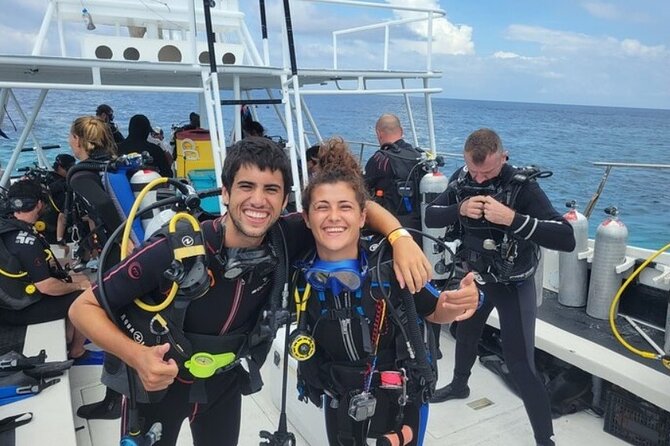
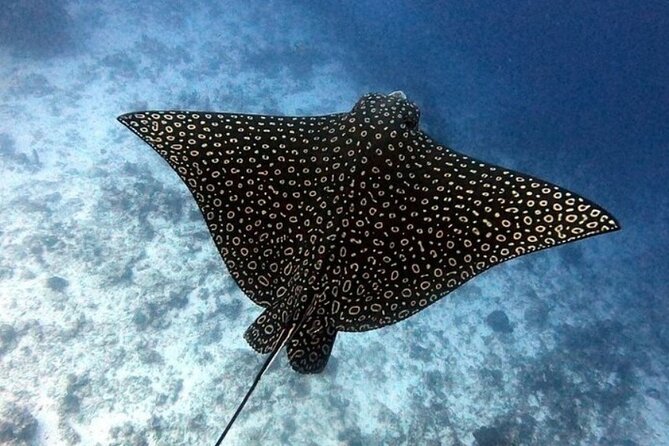
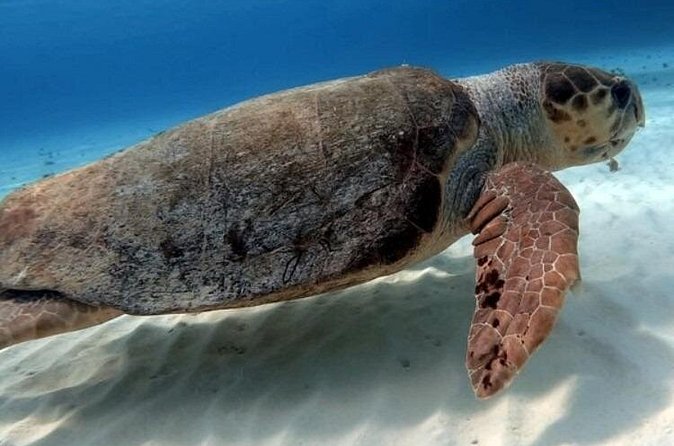
The first reef stop is about getting you onto a site where the marine life is active and easy to enjoy. The description calls out wildlife you can realistically hope to spot in Cozumel waters, including turtles, eagle rays, and a huge variety of fish in bright colors and different sizes.
In plain terms, the first site usually sets your expectations for the day. If conditions are good, you’ll often feel like you’re seeing “everything” at once—schools of fish, reef life you didn’t know was there, and the sense that the reef is working like a city.
Because the operator chooses sites based on current and conditions, the first reef can also act like a safety-forward warm-up. If the water is too strong at one location, they shift to another. You won’t always know the exact reef name until closer to the day, but you should expect a plan that prioritizes comfortable, safe underwater time.
The between-sites break: lunch that actually helps
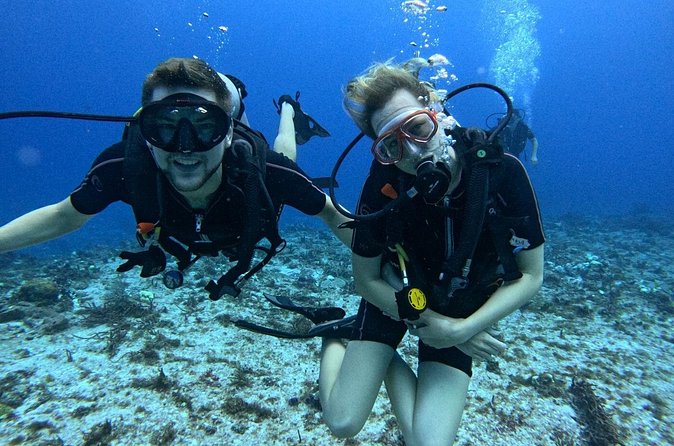
Between the first and second underwater sessions, you’ll get a meal. That matters more than many divers think. After gear checks and early water time, your body wants fuel and warmth, especially if you’re prone to getting tired or cold.
The feedback also points to a good on-board lunch experience. I like this setup because it keeps the day from feeling rushed. You’re not just scrambling from one activity to the next. You get a breather, you eat, and then you’re ready for the second reef.
Practical tip: eat something that won’t upset your stomach after gear goes on again. If you’re sensitive, keep it simple and hydrate.
Second reef session: a different site for more wildlife variety
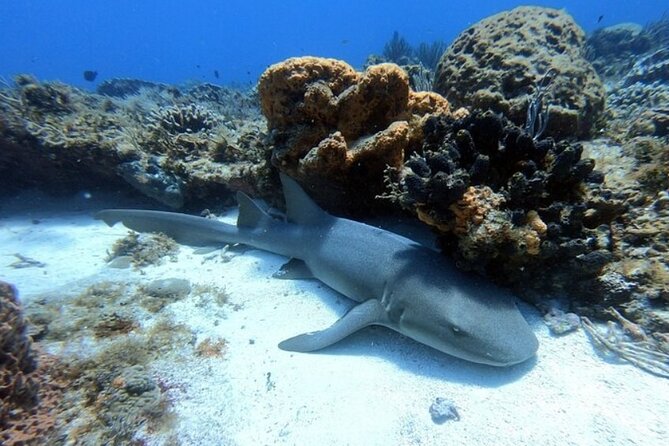
After lunch, you head to a different reef for the second underwater session. The point is variety—same general ecosystem, different neighborhood. Cozumel reefs can change fast by location, and different sites can emphasize different animal activity.
The tour description is clear: the operator picks the two reefs on the same day depending on conditions and currents so they can do them safely. Translation: you should plan for a little flexibility. You might not get the exact site you hoped for, but you’re more likely to get a pair of sites that work well that day.
Also, doing two separate sites in one outing is one of the best ways to “multiply” your wildlife sightings. Even if you see a turtle or ray at the first stop, you still have a strong chance of seeing something new at the second.
Communication in the real world: WhatsApp, phone power, and updates
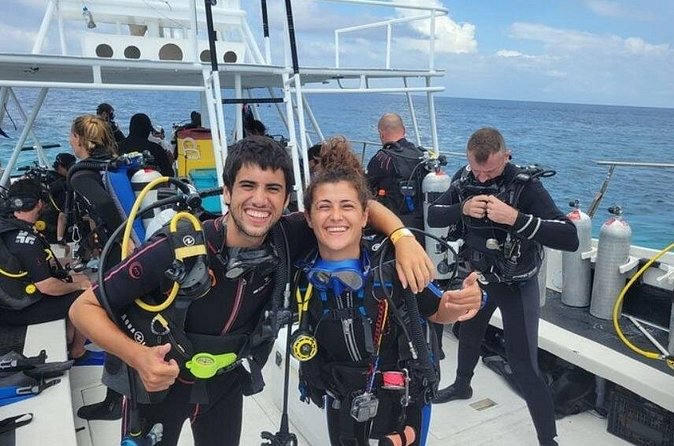
Communication is listed as WhatsApp-style. That’s pretty common in Cozumel operations, and it can be good—fast messages, quick coordination, and easy document sharing.
My advice: keep your phone charged and protect it. One story in the feedback involved a diver leaving a phone behind after being dropped at the marina. A guide later helped track it down and recover it, which is great service—but you should still try to prevent the problem in the first place.
If you’re the type who forgets small things, set a checklist:
- confirmation details saved offline,
- phone charged,
- your dive card photo/verification ready,
- and any ear-clearance notes if you’ve had health issues.
One example in the feedback described accommodation for a minor ear issue: the operator stayed attentive and checked on the diver’s ears throughout the experience. That’s a reminder to be honest about how you feel and to speak up early.
Comfort and safety: what you should expect (and how to help)
This is for certified divers, and you get two tanks, which means the plan is structured around proper equipment, guide support, and scheduled timing. The small-group cap (max 15) also suggests you’re not just one name in a large lineup.
What you can do to make safety easier:
- Keep your certification paperwork handy so nothing delays you.
- Let the guide know about any recent health issues before you enter the water.
- Tell them if you feel pressure discomfort early, not after it becomes a bigger problem.
- Follow buoyancy and spacing instructions. In currents, good buoyancy is comfort.
You’ll likely be in the water long enough to enjoy the reef, but not so long that the day falls apart. The biggest “safety” factor you control is communication—tell your guide what you’re feeling.
What to bring for this 5-hour reef plan
You don’t need to overpack, but a few items make the day smoother:
- Your certification card (or a photo of it) and the info they asked you to provide.
- A charged phone for messages and meeting-point updates.
- Basic sun protection (Cozumel sun is no joke even when the water looks calm).
- A light towel or change of clothes for the ride back to your hotel area.
Also, mentally prepare for a marina start. One note from feedback: the meeting location is specifically at the marina on the south side of the island, not a city shop. When you’re in Cozumel, that difference matters for taxis and navigation.
Should you book this two-tank reef experience?
I’d book it if you want:
- two reef sites in about 5 hours,
- a small-group format,
- an English-speaking guide team,
- and a plan that adapts based on currents and conditions.
I’d hesitate if you’re on a cruise and you tend to rely on ship time without double-checking local timing. The negative experience described a missed meetup tied to time mismatch, and that’s the kind of problem no one wants on a single-port day.
If you’re organized—bring your paperwork info, watch the time difference, and keep your phone ready—you’re set up for a strong day focused on Cozumel’s reef wildlife.
In short: if your goal is real underwater sightseeing with two separate reef stops (and you’re a certified diver), this is a solid way to spend a morning in Cozumel—especially when conditions are variable and you want a crew that adjusts.
FAQ
Is this tour for certified divers only?
Yes. The experience is described as two tanks for certified divers, so you’ll need the appropriate scuba certification.
How long is the experience?
It runs for about 5 hours (approx.).
What time does it start?
The start time listed is 9:30 am.
Where is the meeting point?
The meeting point is at Marina Cozumel ASIPONACarr. Costera Sur Km 6.5, Zona Hotelera Sur, 77675 Cozumel, Q.R., Mexico, and the tour ends back at the meeting point.
Is the tour offered in English?
Yes, it’s listed as offered in English.
What’s the group size?
The maximum number of travelers is 15.
More Tanks Down Off Cozumel
- Discover Scuba Diving in Cozumel Paradise Reef★ 5.0 · 686 reviews
- SeaTrek Underwater Helmet Diving Experience in Downtown Cozumel★ 4.5 · 214 reviews
- Cozumel Scuba Dive at Chankanaab★ 5.0 · 153 reviews
- Cozumel Shore Excursion: Mini-SUB Diving Adventure★ 4.5 · 151 reviews
- Cozumel: One Tank Scuba Dive and Full Chankanaab Park Access★ 4.9 · 149 reviews
Latest Cozumel tours we have reviewed

Scuba Diving & Dive Courses, compared.
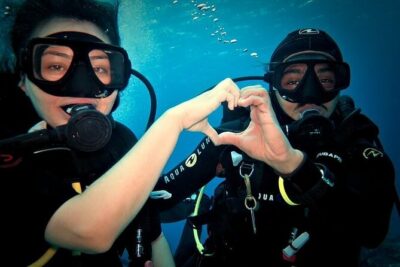 ★ 5.0Discover Scuba Diving in Cozumel Paradise Reef686 reviews
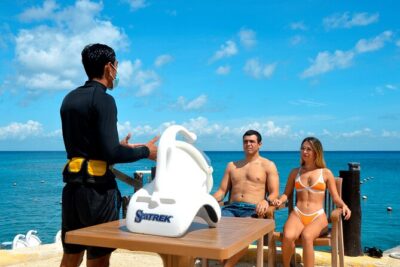 ★ 4.5SeaTrek Underwater Helmet Diving Experience in Downtown CozumelFrom $79214 reviews
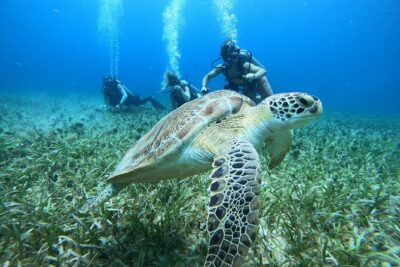 ★ 5.0Cozumel Scuba Dive at ChankanaabFrom $85153 reviews
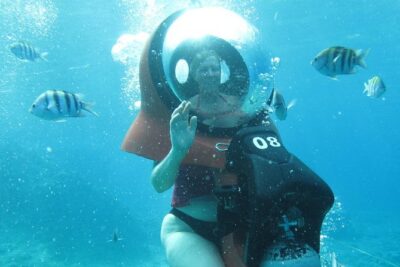 ★ 4.5Cozumel Shore Excursion: Mini-SUB Diving AdventureFrom $89151 reviews
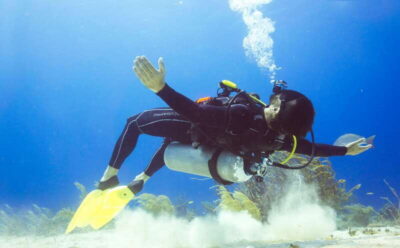 ★ 4.9One Tank Scuba Dive and Full Chankanaab Park AccessFrom $63149 reviews
 ★ 5.02 Tank Morning Dive: Scuba Diving in CozumelFrom $160148 reviews
 ★ 4.52 dives in Cozumel (for certified divers only)From $110141 reviews
 ★ 5.0Discover Scuba DivingFrom $95139 reviews
Browse the lists this tour appears in